Region Three
Northeastern California
Jump To
Lead
Fall River Resource Conservation District
Conservation of soil and water on rangeland, pastureland, irrigated cropland, and the water quality of Fall River, Pit River, Hat Creek, Burney Creek and all the watersheds in the district are the focus of the FRRCD.
Point of Contact:
Sharmie Stevenson, Executive Director, FRRCD
sharmie@frontiernet.net
Camille Swezy, Owner, Mule Ears Consulting
camilleswezy@gmail.com
Mission
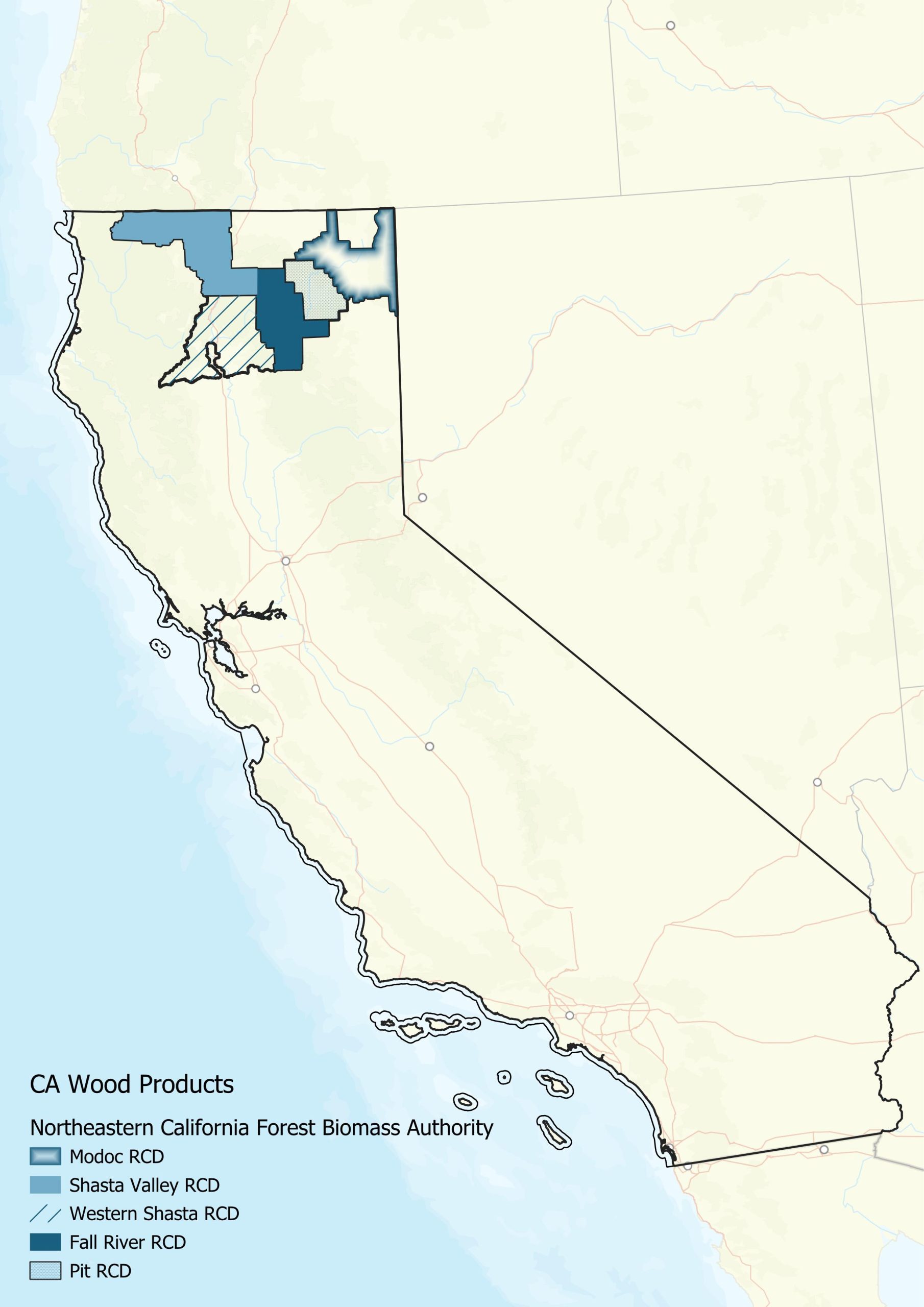
To build regional capacity to remove and utilize biomass material from forest health projects across Shasta, Lassen, Modoc, and Siskiyou Counties, four (4) Resource Conservation Districts (RCDs) formed a new regional Joint Powers Authority (JPA). This RCD-led JPA builds on the districts’ long-standing role in supporting forest management, helping improve ecosystem health, reducing wildfire risk, and creating more local options for biomass utilization.
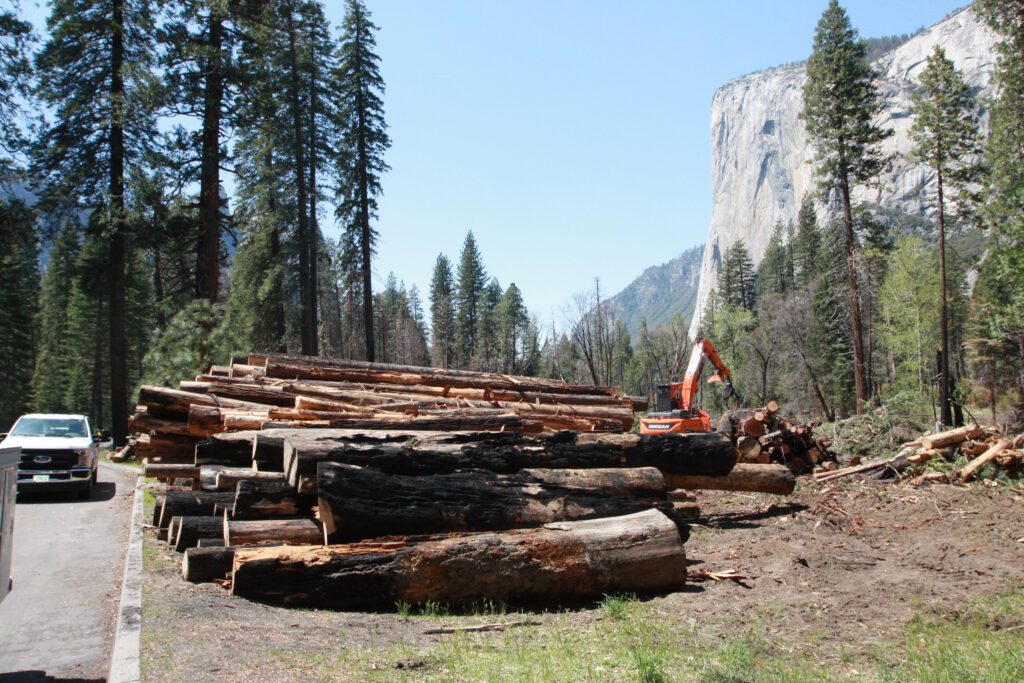
The Northeastern region of California—including Shasta, Lassen, Modoc, and Siskiyou Counties—is sparsely populated and has numerous small and industrial businesses greatly working to sustainably manage California’s forestland. FRRCD has been heavily involved in the development of forest restoration and fuels reduction activities across public and private lands. Despite the presence of numerous industrial-scale sawmills and biomass facilities in the region, outlets for biomass are still limited. Biomass piles are often left in the woods to burn or decay which undermine forest management efforts to reduce wildfire risk and damage and greenhouse gas emissions. In April 2022, FRRCD received funding to begin regional stakeholder discussions around ways to increase biomass utilization to support forest restoration activities
Key Takeaways
Many regional leaders in forest management, forest health, and wildfire prevention recognize the value in bringing local government together via a JPA to address issues related to biomass removal and biomass utilization. RCDs are an ideal local government entity to do so, given the inherent flexibility in the RCD operating model and their non-regulatory nature.
Additional takeaways include:
- Northeast CA has relatively strong biomass market, and RCDs play a lead role in implementing forest health projects across land ownerships
- State policies, like third-party claims funds or legislation allowing local governments to provide insurance, can help bridge gaps in the private insurance market for the woody biomass sector.
- Developing a long-term supply contracting tool is complex. One of the most important variables within the contract is how prices are allowed to adjust within the contract term. The FRREDSS cannot provide this detail, and an inflation-based formula was proposed to compensate.
- The recommended JPA start-up funding strategy includes four main revenue sources (passive income, grants, charges for services, and annual member contributions), but as the new JPA evolves, the initial funding strategy will also likely evolve.
- A JPA-led wood sort yard is not economically viable. Instead, the JPA should prioritize energy on improving market conditions for existing facilities and operators already in the business of moving biomass from the forest to its end-user, rather than operating a sort yard
Challenges
- While there is robust network of wood consuming operations in the region, there is still not enough biomass utilization infrastructure to support land management goals
- Local Forest Service offices routinely experience low staffing and high turnover, resulting in adaptability challenges
- Public concerns over biomass energy generation influence policies that negatively impact existing biomass facilities or prohibit new development of biomass processing operations.
- The availability of forest sector workforce for timely implementation of fuels reduction projects, especially grant funded work, can be volatile and unpredictable.
Next Steps
Recommended Actions for the JPA:
- Establish long-term guaranteed biomass feedstock contracts
- Improve market economics and business environment
- Elevate partnerships with USFS
- Strategically plan forest management projects to generate a consistent supply of biomass over time
- Leverage conservation finance, carbon markets to offset treatment costs
- Conduct outreach and advocacy; develop a unified voice on behalf of the region related to biomass utilization
- Explore additional services offerings like environmental/forestry permitting support or legal services
- Grant writing/funding pursuit
Status
The FRRCD is working closely with Mule Ears Consulting to establish a JPA of RCDs to support biomass coordination and market development. The JPA is building the service-offering workflow and following through on EPS’s funding strategy to maintain operations.
Team Members
Core Project Team (as of November 2025)
- Fall River RCD – Sharmie Stevenson, Executive Director
- Mule Ears Consulting – Camille Swezy, RPF / Owner
- CLERE Inc – Christiana Darlington, Attorney / Owner
- Cascade Resource Consultants – Sarah Oldson, RPF / Owner
- MNJ Advisors – Michael Luken, Owner
- Forest Creek Restoration – Todd Sloat, Owner
Participating RCDs
- Shasta Valley RCD
- Pit RCD
- Western Shasta RCD
- Modoc RCD (opted to not join the JPA at this time)
Other Consultants
- Economic and Planning Systems, Inc
- Willis Towers Watson
- 3point.xyz
- Romena Consulting
- Spatial Informatics Group
- Dave Jones Consulting
- Nature Conservancy
Past Core Team Members (in Prior Rounds of Funding)
- Headwaters Environmental – Regine Miller, Owner
- Watershed Research and Training Center – Clarke Stevenson, Analyst
- Peterson Timber – Zane Peterson, Owner, LTO