Region Six
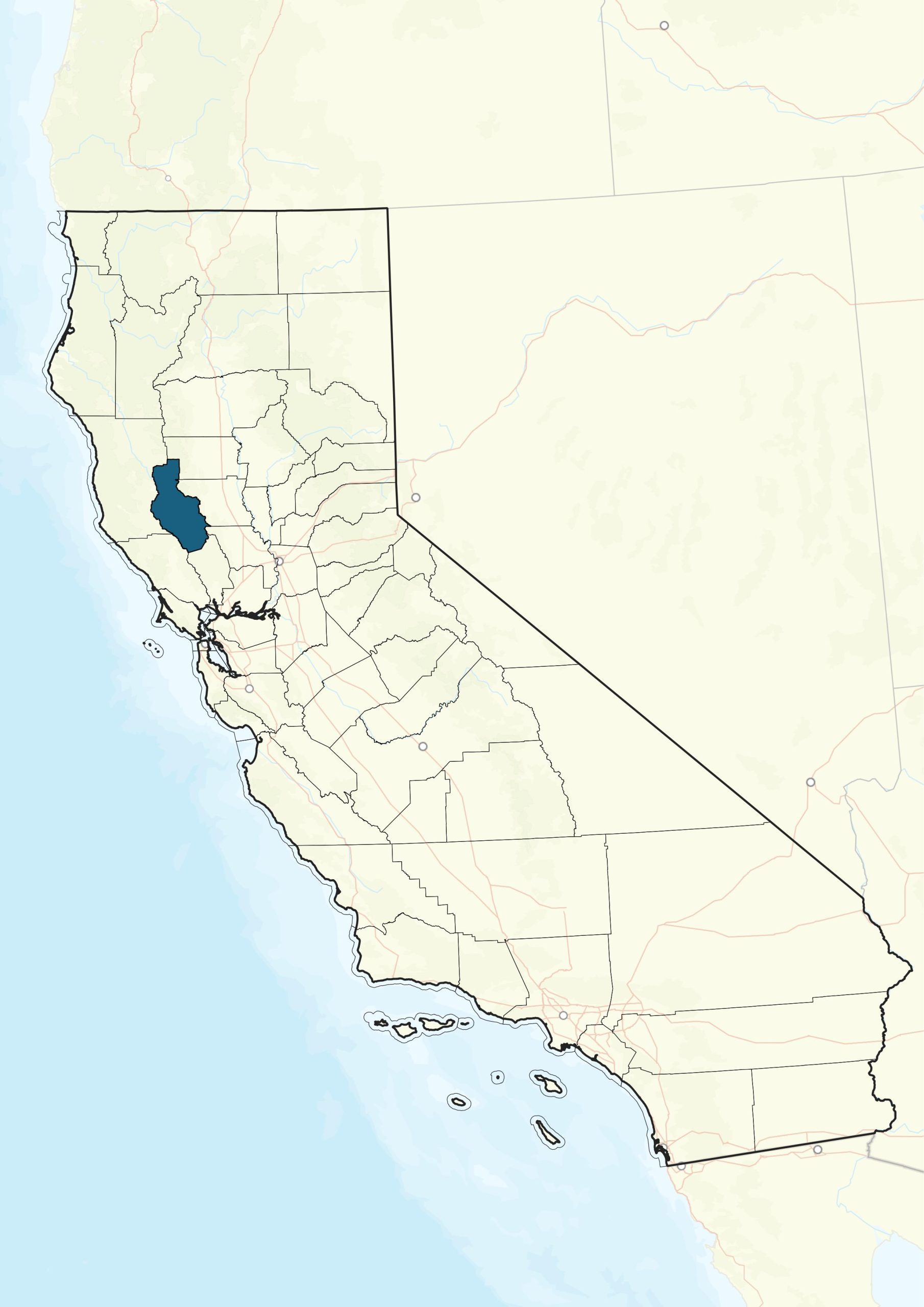
Lake County
Jump To
Point of Contact
County of Lake
Terre Logsdon, Chief Climate Resiliency Officer/Tribal Liaison
Terre.Logsdon@lakecountyca.gov
Lake County RCD
John Vandevort, Project Manager
john.vandervort@lakercd.org
Lead
Lake County Resource Conservation District (RCD)
Lake County RCD is a non-regulatory agency formed in 2016 after the consolidation of both the West and East Lake RCDs. The geographical sphere of influence spans all 1,256 square miles of Lake County. Our organizational mission is to promote the locally-led sustainable conservation of natural resources and agriculture in Lake County. We provide technical assistance to local landowners to support their conservation efforts through a variety of grant programs.
Co-Facilitators
Lake County Risk Reduction Authority
The RRA was formed to support the entire Lake County community through the effective use of the authority of local governments, implement programs offering low-or no-cost risk reduction resources to the public, the development of funding to implement and maintain such programs, and to provide informational and educational resources to the public so that they are better able to assess and manage these risks.
Mission
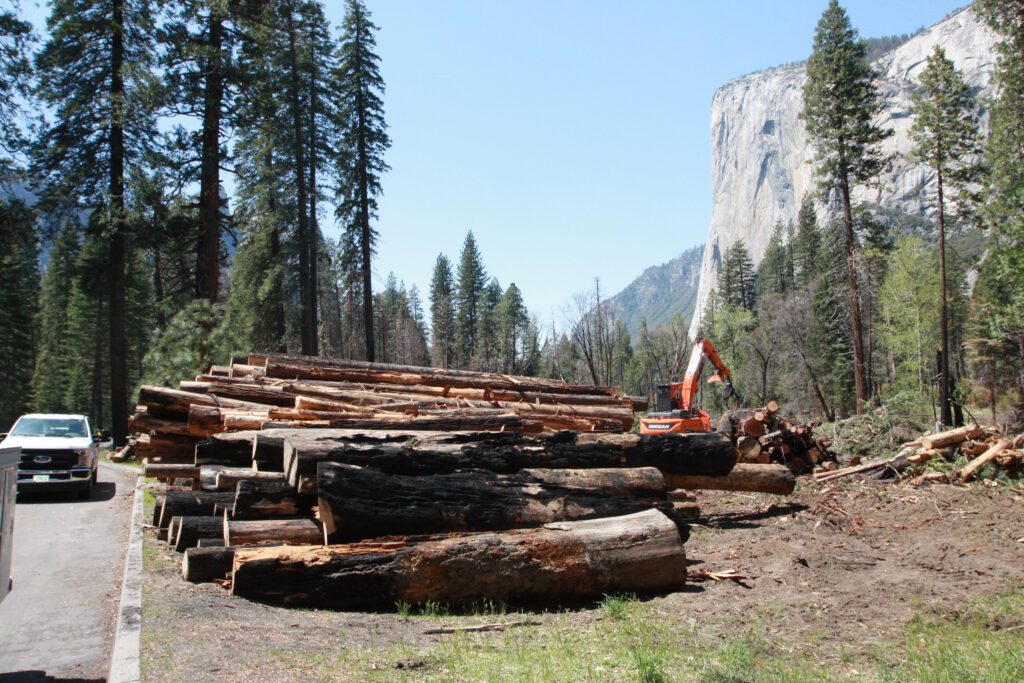
To identify opportunities for the Lake County Risk Reduction Authority, an existing Joint Powers Authority between 17 government entities, to support increased utilization of woody biomass from wildfire and forest resilience treatment activities across the county.
Nearly 70% of Lake County’s land mass has burned in catastrophic wildfires since 2015, and every community in the county has been under mandatory evacuation at least once in this time period. Lake County also has a Local Emergency for Pervasive Tree Mortality in place due to mass tree die-off following drought and bark beetle infestation of trees and may consider another one Mediterranean oak borer infestation imperiling and killing oaks, an important tribal cultural resource. As one of the poorest counties in California, Lake County lacks resources to properly mitigate hazardous biomass and fuel loading associated with high wildfire risk and poor ecosystem health.
With LCI funding to the Lake County Biomass Aggregation Pilot Project, the Project Team sought to identify specific strategies that the Lake County RRA can take to support increased utilization of woody biomass, particularly from wildfire prevention activities. This was accomplished through production of three main reports, including a Biomass Supply Assessment, a RRA Financial Analysis, and a RRA Entity Action Plan.
Key Takeaways
There is a unique opportunity for the Lake County RRA as a pre-existing local government JPA to play a lead role in facilitating biomass utilization to support wildfire prevention and resilience activities across the county. The Entity Action Plan identifies four key areas the RRA can pursue to achieve this. However, the RRA will need sufficient funding to pay for staff time to achieve this.
Additional takeaways include:
- Biomass utilization solutions should be small-scale, given volatile supply availability and invasive pathogens concerns.
- The RRA could pursue a variety of revenue sources to support its expanded functions, including grants, enhanced member dues, fees for services, and endowments/gifts.
Challenges
- Lake County is dominated by federal lands, most of which has burned in the last 10 years, and fragmented smaller parcels of nonindustrial private forestland.
- Forest health and vegetation management work is largely dependent on grant funding, due to limited existing biomass markets nearby.
- Despite its achievements, the RRA faces barriers to expansion, including limited funding, coordination inefficiencies, and insufficient staffing.
Next Steps
The Entity Action Plan identified four primary focus areas for the RRA to support increased biomass removal and utilization in the County:
- Improve and streamline local CEQA compliance processes, including through clear exemption policies, staff training, and empowering other local districts to serve as lead agency for vegetation management and biomass project development.
- Advance a public-private partnership to spur biomass waste disposal, such as through centralized sort yards and mobile biochar machines.
- Facilitate a Biomass Business Competition to encourage local entrepreneurial growth focused on developing value-added products from forest biomass waste
- Lead a Forest Biomass Use Action Center, providing a coordinating role to convene partnering organizations on biomass issues, provide technical assistance, and conduct public outreach related to local biomass utilization.
Status
RCD completed their task deliverables in December 2025. The RRA and partners will continue work to secure funding for the RRA to implement the Entity Action Plan.
Team Members
Core Project Team (as of November 2025)
- County of Lake – Terre Logsdon, Chief Climate Resiliency Officer/Tribal Liaison
- Lake County Supervisor District 5 – Jessica Pyska, County Supervisor
- Lake County RCD – John Vandervort, Conservation Program Manager
Consulting Team
- Mule Ears Consulting – Camille Swezy, Owner, Consulting RPF
- CLERE Inc. – Christiana Darlington, Owner, Attorney
- Eastern Research Group – Diana Pietri, Senior Social Scientist
Lake County RRA Biomass Subcommittee Advisory Committee:
- Kevin Ingram, City of Lakeport
- Russ Cremer, City of Clearlake
- Ben Murphy, Cobb Area Water District
- Tom Jordan, Scotts Valley Band of Pomo Indians
- Willie Sapeta, Lake County Fire Protection District
- Julia Sullivan, Lake County RCD